Writing a Horror Game Narrative that Trusts the Player
Crafting a horror game narrative involves more than just jump scares. It's about constructing a world where players feel trusted to discover its secrets.
Player Agency and Trust
The essence of a compelling horror game narrative is often found in the freedom it gives to players. Instead of leading them by the nose through a series of scripted events, a well-designed horror game trusts players to unravel the story at their own pace. This trust is crucial in creating an immersive experience where players feel like active participants rather than passive observers.
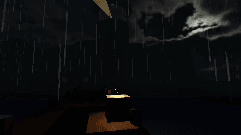
Consider a game set in a derelict lighthouse, like our own Cape Mourn. The player's journey begins not with intrusive tutorials or heavy-handed narration, but with an abandoned room, a flickering lamp, and the distant sound of the sea. This approach respects the player's intelligence and curiosity, inviting them to explore and connect the dots themselves.
Mystery Over Exposition
In horror narratives, less is often more. Explicit explanations can strip away the enigma that makes horror tantalising. By opting for mystery over exposition, designers can maintain an air of suspense and intrigue. When players are left to ponder the unknown, their imagination fills in the gaps, often conjuring fears far more potent than anything explicitly shown.
Our game, The Lighthouse Keeper, embraces this philosophy. Details about the lighthouse's past and the fate of its previous keepers are scattered throughout the environment in cryptic notes, worn-out photographs, and eerie recordings. Players must piece together these fragments to understand the full story, creating a narrative experience that is both engaging and personalised.
Environmental Storytelling
Environmental storytelling is a powerful tool in horror game narrative design. Every object, sound, and shadow in the game world tells part of the story. The environment itself becomes a character, whispering hints and secrets to those who are willing to listen.
At Cape Mourn, the peeling paint on the walls, the rusted tools in the shed, and the ever-present sound of the foghorn all contribute to a rich tapestry of narrative. Players learn not just through direct interaction, but by observing and interpreting their surroundings. This method of storytelling is subtle yet effective, allowing for a deeper immersion into the game's world.
Building Tension Through Subtlety
True horror often lies in the anticipation rather than the event itself. Crafting a narrative that builds tension through subtlety is a delicate art. Small clues, half-heard whispers, and fleeting glimpses of shadowy figures can weave a sense of unease that keeps players on edge.
"The fear of the unknown is the greatest fear of all."
By allowing players to sense that something might happen, rather than showing them outright, the narrative maintains a continual state of suspense. This approach is exemplified in our blog on designing monsters you rarely see, where restraint is used to keep tension alive.
Connecting It to The Lighthouse Keeper
The Lighthouse Keeper is a testament to the power of trusting players with the narrative. By allowing them to explore and discover the story on their own terms, the game creates a haunting experience that lingers long after the screen goes dark. The use of environmental storytelling, mystery, and player agency all contribute to a narrative that is both immersive and deeply personal. To learn more about our approach and share your thoughts, reach out through our contact page.