Environmental Storytelling: Letting Horror Spaces Speak
Horror games thrive on atmosphere. This article delves into how environmental storytelling turns ordinary spaces into vessels of terror.
The Quiet Narrative
In the realm of horror games, narrative does not always need to be articulated through dialogue or text. Instead, environmental storytelling offers a way for spaces to convey stories quietly, allowing players to piece together the narrative through their surroundings. This method can be particularly effective in horror, where the unknown and the unseen amplify fear. By letting spaces speak for themselves, developers craft worlds that resonate deeply with players' imaginations, encouraging exploration and discovery.
Objects as Relics
The power of environmental storytelling often lies in the details. Objects within a game become relics of past events, each with a story to tell. A photograph left on a dusty mantelpiece, a broken clock stopped at an ominous hour, or a ship's log with the last entry scribbled in haste. These elements do not just populate the world but serve as narrative tools that communicate the history and despair embedded in the space. They invite players to become detectives, piecing together narratives from fragments, much like in our game, The Lighthouse Keeper.
Atmosphere and Ambiguity
Atmosphere is the canvas upon which horror is painted. The subtle use of lighting, sound, and architecture creates spaces that feel both alive and oppressive. Ambiguity plays a crucial role here; it allows players' minds to fill in the gaps, often with their darkest fears. The creaking of wooden floors, the flicker of a candle, and the echo of distant footsteps conjure a sense of unease that a direct narrative might undermine. These elements are meticulously crafted to maintain tension and suspense, drawing players deeper into the experience.
"Horror thrives in the spaces between certainty and chaos."
Designing Spaces of Dread
Crafting spaces that elicit dread requires a fine balance between familiarity and the uncanny. The architecture of a horror game is as crucial as its storyline. Corridors that twist into darkness, rooms that seem larger or smaller than they should be, and architecture that defies logic all contribute to the feeling of unease. Every part of the environment must serve the overarching theme, driving the narrative forward even in the absence of dialogue. The design choices at Cape Mourn Lighthouse showcase how space itself can become a character, as discussed in our atmosphere-building article.
Cape Mourn: An Example
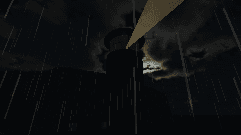
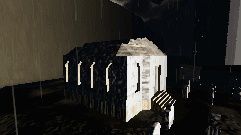
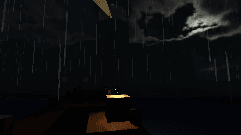
Cape Mourn Lighthouse, the setting for The Lighthouse Keeper, exemplifies the potency of environmental storytelling in horror. Its isolated location, steeped in maritime lore and battered by relentless storms, creates a backdrop that is inherently unsettling. Each room tells a tale of those who came before, from the dilapidated quarters of the lighthouse keeper to the abandoned jetty slowly being reclaimed by the sea. The environment itself becomes a narrative force, compelling players to delve deeper into its mysteries. For more insights into our design process, visit our about page or contact us to share your thoughts.