Player Vulnerability in Horror Game Design
Discover how the essence of player vulnerability is woven into horror games to create deeper emotional engagement, without relying on frustrating difficulty.
Understanding Player Vulnerability
In the realm of horror game design, vulnerability stands as a cornerstone of the player's experience. It is not just about stripping away power; it's about crafting an intricate dance between fear and agency. When players feel vulnerable, they are more likely to be immersed, emotionally invested, and, ultimately, frightened. However, it's essential to distinguish between genuine vulnerability and frustration arising from contrived difficulty spikes.
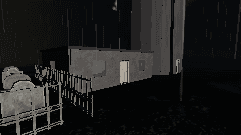
Creating an environment where players feel genuinely vulnerable involves many factors, all of which contribute to their emotional engagement. This strategy is instrumental in horror games, such as The Lighthouse Keeper, where the atmosphere and setting heighten the player's sense of fragility.
Beyond Difficulty
It's a common misconception that increasing game difficulty will automatically enhance the horror experience. On the contrary, difficulty that solely relies on punishing mechanics can lead to frustration, ultimately detracting from the desired reaction.
A successful horror game seeks to balance challenge with a sense of vulnerability that does not rely on cheap jumpscares or arbitrary obstacles. Instead, it prioritises creating a constant tension that keeps players on edge, fearing the unknown. This can be seen in how environmental storytelling is used to unsettle players without overtly punishing them at every turn.
Crafting Emotional Investment
The emotional investment of players is crucial in horror games. This is where vulnerability plays a significant role. When players care about their character's survival, every threat feels more personal and immediate. The emotional connection can be fostered through detailed character development, relatable motivations, and a coherent narrative.
"Fear is not the enemy, but the fuel igniting a player's fight for survival."
Developers can leverage this by integrating subtle cues and decisions that push players to empathise with their character's plight. In doing so, vulnerability becomes a shared experience between the avatar and the player, deepening the engagement.
Narrative and Environmental Strategy
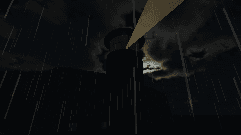
A compelling narrative intertwined with environmental elements can significantly enhance player vulnerability. For instance, the Cape Mourn lighthouse in The Lighthouse Keeper serves as more than just a backdrop; it is a character in itself.
By creating a world that feels alive, fraught with its own mysteries and dangers, developers can instil a sense of vulnerability that isn't solely reliant on enemies. The environment whispers its own stories, inviting players to listen and uncover layers of tension woven into the game's fabric.
Incorporating realistic constraints such as limited resources or ambiguous moral choices can also amplify this vulnerability. Such elements encourage players to weigh their actions carefully, adding a layer of psychological horror that feels more authentic and engaging.
Connecting with The Lighthouse Keeper
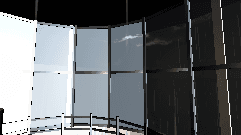
The Lighthouse Keeper at Cape Mourn exemplifies how player vulnerability is intricately designed to enhance emotional and psychological engagement. The isolation of the setting, combined with the haunting narrative, draws players into a world where every creaking floorboard and flickering light adds to the tension.
By deliberately crafting a setting that evokes a visceral response, The Lighthouse Keeper ensures that players are not just passive observers but active participants in their own narrative of survival and discovery. This design philosophy reinforces the importance of vulnerability in creating a memorable horror experience.
To learn more about how we weave these elements into our games, explore our about page or contact us directly.