Designing a Lighthouse Horror Level
Creating a lighthouse horror level involves a delicate balance between feelings of confinement and exposure. Explore how this duality is achieved in The Lighthouse Keeper.
Introduction to Lighthouse Horror
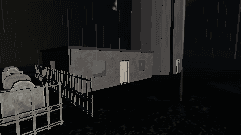
The design of a horror game level like the one in The Lighthouse Keeper is a unique challenge. Lighthouses inherently evoke a sense of isolation, but their narrow passages and towering heights add layers of claustrophobia and exposure. This duality is what makes them perfect settings for horror. Players must navigate the cramped corridors while feeling the emptiness of the open sea, enhancing their vulnerability.
Crafting Claustrophobic Spaces
Creating a sense of claustrophobia in a lighthouse setting involves careful manipulation of space. The narrow staircases and confined quarters force players into tight, uncomfortable situations. This is where environmental storytelling becomes crucial. By scattering personal effects of the previous occupants or signs of hasty departure, players feel the presence of those who once inhabited these spaces. Such details encourage players to question what drove them away, adding to the mounting tension.
In The Lighthouse Keeper, every corner turned and every door opened contributes to a growing unease. The architecture itself seems to compress around the player, heightening anxiety and anticipation.
Heightening Fear with Exposure
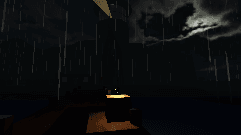
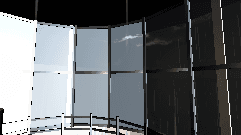
While the interior of the lighthouse is restrictive, the exterior offers the opposite, a vast, open expanse that can feel equally terrifying. This exposure is amplified by the unpredictable weather and the ceaseless roar of the ocean. Players are reminded of their insignificance against the elements and the isolation of the lighthouse's location. The open-air lamproom, for instance, provides a panoramic view that feels both awe-inspiring and deeply unsettling.
These moments of exposure contrast sharply with the confined spaces inside, creating a rhythm of tension and release that keeps players on edge. This dynamic interplay is a hallmark of effective level design in horror games.
Layering Sound and Visuals
The interplay of sound and visuals is essential in accentuating both claustrophobic and exposed environments. Inside, the creaks and groans of the structure echo around players, enhancing the feeling of confinement. Outside, the howl of the wind and the crash of waves are ever-present, reinforcing a sense of exposure.
The lighthouse is not just a setting; it's a living, breathing entity that amplifies every sound and shadow.
Visual design further supports this duality. Dim lighting and shadowy corners create fear of the unknown in enclosed spaces, while stark lighting and wide vistas on the exterior make players acutely aware of their solitude and vulnerability.
Narrative and Historical Elements
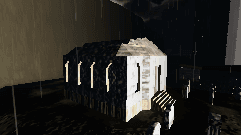
Integrating narrative and historical elements into the level design deepens the player's immersion and engagement. The lighthouse at Cape Mourn is not just a backdrop but a character with its own history. Exploring this history through environmental cues and artefacts creates layers of intrigue and fear. What tragedies have unfolded here? What ghosts of the past linger in its corridors?
These narrative threads draw players deeper into the experience, blending seamlessly with the physical environment to create a cohesive and compelling horror experience. For more on how we achieve this, you can explore our environmental storytelling techniques.
Bringing It All Together in The Lighthouse Keeper
The balance between claustrophobic and exposed spaces in The Lighthouse Keeper is critical to its horror. By leveraging architectural features, soundscapes, and narrative depth, we craft a level that continuously unsettles and surprises players. The lighthouse is both a sanctuary and a trap, demanding constant vigilance.
Our approach ensures that players are never entirely comfortable, perpetually oscillating between the dread of confinement and the fear of exposure. This intricate dance between space and atmosphere is what makes our lighthouse both a haunting and unforgettable experience. For an in-depth look at this design philosophy, visit the story section of our site or reach out via our contact page.