First Person vs Third Person in Horror Games
The choice between first person and third person perspectives in horror games profoundly impacts how players experience fear. Each perspective offers distinct advantages in crafting unsettling atmospheres.
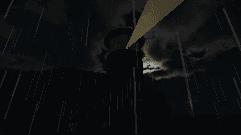
The debate over whether first person or third person perspectives create a more effective horror experience is as old as the genre itself. Both have distinct strengths and weaknesses, each capable of invoking fear in unique ways. This article delves into how these perspectives shape the horror experience and what they bring to the table in the context of games like The Lighthouse Keeper.
Immersive First Person
First person perspective places players directly into the shoes of the protagonist, providing an unparalleled level of immersion. This perspective is particularly effective in horror games for its ability to make players feel as if they are truly part of the world. The limited field of view means players only see what is directly in front of them, heightening tension as dangers lurk just out of sight.
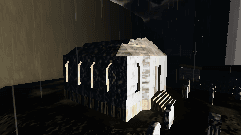
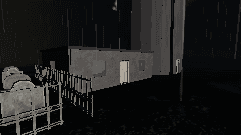
In first person games, players experience fear on a visceral level because they perceive threats as if they are happening to themselves. The vulnerability is palpable; every creak of the floorboards or flicker of light seems immediate and personal. This is exemplified in The Lighthouse Keeper, where players navigate the claustrophobic interiors of the Cape Mourn lighthouse, never fully aware of what lies around each corner.
Suspenseful Third Person
On the other hand, third person perspective offers a broader view of the game world. This camera angle provides an advantage in situational awareness, allowing players to see more of their surroundings. While this might reduce some of the immediate fear present in first person games, it introduces a different kind of tension.
With third person, players often watch their character as if they are actors on a stage. The space between the player and the protagonist can create a sense of detachment, yet it also allows for cinematic storytelling and suspense building. The player, observing from this detached stance, anticipates what might happen next, crafting a tension that hinges on what is seen versus what is imagined.
Psychological Effects of Perspectives
The psychological implications of these perspectives significantly influence how fear is processed. First person offers an intimacy with terror that makes the unseen more frightening. The abstraction of third person, conversely, lets fear seep in through what is left unsaid and unseen, allowing players to project their own anxieties onto the game world.
The fear of the unknown is a primal instinct, but how we perceive it changes with our perspective.
Both perspectives play with the mind in contrasting ways. First person may trigger a 'fight or flight' response, while third person might engage more analytical thinking, pondering the dread of what is lurking beyond the visible scope.
Influence on Game Design
Choosing between first person and third person impacts the entire design philosophy of a horror game. Game mechanics, level design, and narrative delivery all shift according to perspective. First person games often focus on environmental storytelling and atmospheric details, while third person games might emphasise intricate plotlines and character development.
The perspective dictates how players interact with the world. In first person, interaction may be limited but deeply impactful, whereas third person can incorporate complex puzzles and narrative choices. These design variations are part of what makes each perspective so compelling in the horror genre.
Tying It to The Lighthouse Keeper
The Lighthouse Keeper employs a first person perspective to pull players into its enigmatic narrative. The Cape Mourn lighthouse becomes a character in its own right, its creaking floors and shadowed hallways made all the more terrifying by the limited view afforded by first person. The perspective is integral to crafting the game’s atmosphere of isolation and dread.
To learn more about how The Lighthouse Keeper uses perspective to enhance its story, visit our story page. Whether first person or third person, both perspectives are tools that, when wielded skillfully, can create unforgettable horror experiences.