How Lighting Techniques Intensify Horror in Games
In horror games, lighting is more than just illumination; it's a tool to manipulate emotions and build tension. Discover how subtle lighting techniques create chilling atmospheres.
In the realm of horror games, lighting is more than a mere tool for visibility. It serves as a fundamental element that shapes the emotional journey of the player, manipulating fear and tension with every flicker and shadow. An understanding of horror game lighting techniques can make the difference between a game that is merely eerie and one that is truly terrifying.
Lighting's Emotional Impact
Lighting can profoundly affect a player's emotional state. A well-lit room may evoke a false sense of security, while a dim, flickering bulb can cast doubt and fear. In horror games, creators use lighting to guide emotions deliberately. Bright lights are often reserved for moments of revelation or calm, while dim, inconsistent lighting heightens anxiety and uncertainty. By controlling the lighting, developers guide players through a rollercoaster of emotions, maintaining their interest and amplifying their fear.
The Role of Shadows and Darkness
Shadows and darkness are not just the absence of light; they are active participants in the horror narrative. By obscuring elements of the environment, they force players to rely on their imagination, often conjuring fears greater than any visual representation could. Shadows can suggest movement or hide dangers, keeping players on edge. In this way, darkness becomes a canvas for the player’s deepest fears. For more details on how this plays out, explore our article on maritime folklore and the fear of the unknown.
Using Lighting Contrast for Tension
Contrast in lighting is an effective strategy for building tension. When areas of light and shadow are juxtaposed, they draw the player's attention to specific areas, suggesting danger or importance. This technique is prevalent in the horror genre where it creates a push-pull dynamic, tempting players to explore the darkness while warning them of its dangers. The contrast can also serve to disorient players, making them more vulnerable to the game's psychological tricks.
The Power of Subtle Lighting Shifts
Sometimes, the scariest moments in a horror game are not marked by dramatic changes but by subtle ones. A gradual dimming or an imperceptible flicker can trigger a sense of unease, making players question their perception. These subtle shifts are powerful because they exploit the player’s natural fear of the unknown and their inability to trust their senses completely. Much like The Lighthouse Keeper, the effectiveness of these techniques lies in their subtlety, ensuring players never feel entirely at ease.
"In the interplay of light and shadow, horror finds its truest form."
Connection to The Lighthouse Keeper
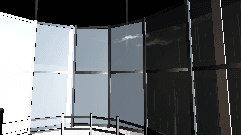
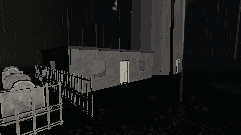
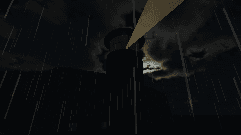
In The Lighthouse Keeper, lighting is not merely a visual tool; it is a character in its own right. The game employs many of the techniques discussed to create a foreboding atmosphere at Cape Mourn. As players navigate the lighthouse's dim corridors, they experience firsthand how strategic lighting design can amplify fear and tension. Shadows move with a life of their own, and the contrast between light and dark becomes a dance of dread. To understand more about how these elements intertwine in our game, feel free to reach out for deeper insights.