Gothic Horror Conventions Explained
Gothic horror conventions have captivated audiences for centuries with their haunting settings and psychological depth. Discover why these elements endure.
Haunted Settings
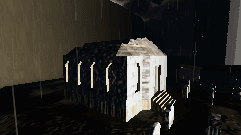
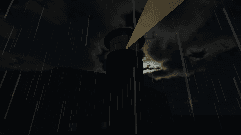
A staple of gothic horror is the haunted setting. From crumbling castles to fog-laden moors, these locales create an atmosphere ripe for fear and tension. Their isolation and decay suggest histories of violence or tragedy, making them perfect backdrops for the unfolding drama. The Cape Mourn lighthouse in The Lighthouse Keeper exemplifies such settings, with its storm-battered walls and eerie silences.
Psychological Depth
Characters in gothic horror are often complex and psychologically troubled. This depth allows for intricate storytelling, as the line between reality and imagination blurs. Protagonists may grapple with sanity, haunted by inner demons as much as external threats. The tension between mind and environment deepens the narrative, pulling players into a world of uncertainty and dread.
Themes of Isolation
Isolation is a powerful theme in gothic horror, both physically and emotionally. It serves to amplify fear, as characters face their darkest moments alone. The isolation of Cape Mourn lighthouse, cut off from the world, is akin to the desolate mansions and remote abbeys of classic gothic tales. This theme resonates in modern horror as well, where isolation is often used to heighten vulnerability and suspense.
Mystery and Romance
The blend of mystery and romance is another enduring element of gothic horror. Love and fear coexist, creating a tension that captivates audiences. The unknown becomes a character in its own right, driving the plot forward as secrets are slowly revealed. This fusion of genres adds depth and richness, turning simple narratives into complex tapestries.
"In the heart of darkness, love and terror dance a delicate waltz."
Enduring Relevance
Despite their roots in the past, gothic horror conventions remain relevant today. Their timeless appeal lies in their ability to tap into fundamental human fears and desires. Games like The Lighthouse Keeper draw on this rich tradition, blending classic elements with contemporary storytelling techniques. By weaving these conventions into modern narratives, creators continue to enchant and terrify audiences, proving that the allure of gothic horror is truly eternal.
To explore how these elements come alive in our game, visit our story page for more.