Creating Fear Without Gore or On-Screen Violence
Explore the art of evoking terror and suspense without relying on gore or explicit violence in the realm of horror games.
The Importance of Atmosphere
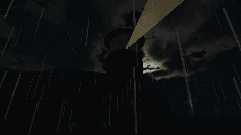
In the realm of horror games, atmosphere serves as the foundation upon which fear is built. The goal is to immerse the player in a setting that is not just unsettling, but also convincing. This can be achieved through meticulous attention to detail in the visual design, ambience, and even the backstory of the environment. The eerie silhouette of a decrepit lighthouse against a tumultuous sky can evoke an unsettling feeling without a single drop of blood.
Harnessing the Power of Sound
Sound design is indispensable when trying to create an atmosphere of fear without resorting to gore. Subtle creaks, distant howls, or the simple patter of rain can evoke a sense of dread and anticipation. Silence, too, plays a powerful role. A sudden drop in ambient sound can make players acutely aware of their surroundings, heightening tension. Our blog post on sound design delves deeper into these techniques.
Crafting Narrative Depth
A well-crafted story can induce fear more effectively than any graphic display. By engaging players on an emotional level, the narrative can cultivate a deep-seated dread of the unknown. Characters with rich backstories, complex motives, and hidden secrets can turn the mundane into something terrifying. Psychological horror often thrives on this level, as we explore in our piece on psychological horror vs. jump scares.
"True horror lies not in the imagery but in the imagination."
Lighting and Shadows
Lighting is a potent tool in setting the mood. The interplay of light and shadow can transform spaces, create illusions, and reveal or conceal threats. Clever use of lighting can suggest the presence of something sinister lurking just beyond the player's view. This technique is explored further in our article on horror game lighting techniques.
The Role of Mystery in Game Design
Maintaining an element of mystery keeps players engaged, urging them to continue exploring even as they dread what they might find. The unknown can be far more terrifying than the known. By giving players just enough information to pique their curiosity and then letting their imaginations do the rest, developers can create a lasting impression of fear.
Fear Without Gore in The Lighthouse Keeper
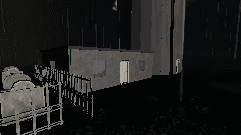
Our game, The Lighthouse Keeper, exemplifies how fear can be evoked through atmosphere, sound, and narrative without relying on graphic content. Set in 1971 at Cape Mourn, the game leverages the desolate and isolated setting of a lonely lighthouse to cultivate an environment ripe with tension. Players uncover the chilling history of the lighthouse and its keepers, piecing together a story that is as haunting as it is compelling. The game's design focuses on the subtleties of fear, proving that the most effective horrors often lie beneath the surface.