Why Fog is an Effective Tool in Horror Game Design
Fog shrouds the world in mystery, heightening tension and fear. It's a perfect atmospheric device in horror games, enveloping players in the unknown.
Fog and Ambience
Fog has long been a staple in horror games, not just for its eerie beauty but for its ability to create an atmosphere that is both foreboding and mysterious. In the world of gaming, fog serves as a crucial element for setting the mood, playing on primal fears of the unseen. This natural phenomenon allows developers to craft environments that are unsettlingly immersive. By limiting the player's visibility, fog generates an air of suspense, making every step forward feel like a descent into the unknown.
Enhancing the Unknown
The essence of fear often lies in what we cannot see. Fog plays on this by enveloping the world in a shroud of uncertainty. This visual barrier encourages players to rely on other senses, such as sound, to anticipate threats. It transforms mundane surroundings into potential harbingers of danger. In games like Silent Hill, fog becomes a character itself, an omnipresent force that both conceals horrors and compels players to confront them.
"The fear of what might be lurking just beyond your vision is more terrifying than the sight of horror itself."
Player Perception
Fog's impact on player perception is profound. It distorts reality, making navigation a challenge and playing tricks on the mind. This disruption forces players to proceed cautiously, heightening their senses and deepening the emotional impact of the game. As players navigate through a fog-laden environment, they become acutely aware of their vulnerability, enhancing the overall experience of fear and suspense.
Narrative Depth
Beyond its atmospheric qualities, fog also serves as a powerful narrative tool. It symbolizes mystery and the unknown, often paralleling the protagonist's journey into the depths of their psyche or the secrets they unravel. In narratives where characters face internal or external conflict, fog can visually represent the complexities of these struggles. The shrouded environments become metaphors for the layered stories waiting to be uncovered.
Fog in The Lighthouse Keeper
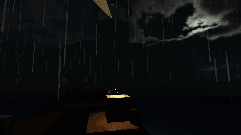
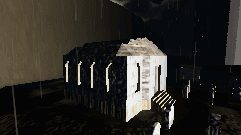
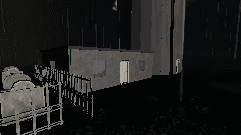
In The Lighthouse Keeper, fog is not merely a backdrop but integral to the storytelling. As players traverse Cape Mourn in 1971, they encounter a world enveloped in mist. This fog not only conceals the lighthouse's secrets but also reflects the protagonist's own uncertainties. The shifting visibility compels players to explore cautiously, each revelation in the fog-laden landscape adding depth to the narrative. By harnessing the power of fog, The Lighthouse Keeper immerses players in a chilling tale of discovery and dread.
For more insights on atmospheric storytelling, visit our about page, or if you have questions, feel free to contact us.