How Save Systems Shape Tension and Dread in Horror Games
Save systems in horror games are more than a simple feature. They influence the tension and dread players feel, shaping their entire experience.
The Role of Save Systems
In horror games, save systems are a crucial design element. They not only manage progress but also significantly influence the player's emotional journey. A well-crafted save system can heighten tension, making every decision feel more consequential. On the other hand, poorly implemented save mechanics can dilute the experience, reducing the stakes that make horror games so gripping.
Permadeath and Checkpoints
Permadeath is one of the most intense save mechanics available. By wiping all progress upon failure, it forces players to approach each obstacle with caution. Checkpoints, in contrast, provide a safety net, allowing players to retry sections. Each system has its place in horror game design. Permadeath amplifies dread and suspense, while checkpoints can keep frustration at bay, maintaining player engagement over longer sessions. The balance between these approaches is vital for retaining the tension without inducing unnecessary frustration.
Manual Saving versus Autosave
Manual saving grants players control over their progress, adding a strategic layer to the gameplay. Deciding when and where to save can be a nerve-wracking choice, heightening the sense of unease. Autosave, meanwhile, removes this layer of control, creating a more fluid experience but potentially reducing the player's sense of agency. Both systems shape the player's journey through the game, influencing how they experience fear and tension.
The Impact on Narrative
The choice of save system can deeply impact a game's narrative. In games where the story is tightly interwoven with gameplay, save mechanics can enhance the storytelling. For instance, a well-timed autosave can preserve the flow of a particularly emotional or intense narrative moment. Conversely, manual saves can act as narrative pauses, giving players space to reflect on story developments. In horror, where atmosphere and tension are paramount, these choices define how players engage with the unfolding story.
"In horror, every choice matters. The save system is no exception."
Save Systems in The Lighthouse Keeper
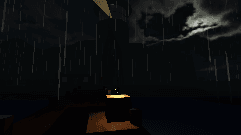
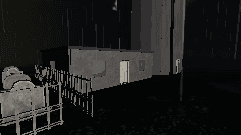
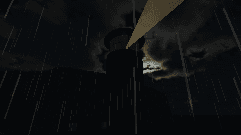
The Lighthouse Keeper illustrates how save systems can deepen immersion. Set in the eerie Cape Mourn lighthouse, the game uses a mix of manual saves and carefully placed checkpoints to keep players on edge. This design choice mirrors the isolation and dread of the lighthouse itself, enhancing the player's emotional connection to the story. For more insights into the unique mechanics of our game, visit our story page or contact us for more details.