Why Minimal HUDs Make Horror Games More Frightening
A minimal HUD can profoundly shape the horror game experience by increasing immersion and tension, stripping away the safety of an interface.
The Immersive Experience
In the realm of horror games, the interface between the player and the game's world can be as critical as the narrative itself. A minimal HUD (heads-up display) allows players to immerse themselves in the game more deeply, erasing the barrier between them and the chilling atmosphere. When a game eliminates clutter on the screen, players are drawn into the meticulous details of the environment and become part of the unfolding story.
In our journey developing horror games, we've learned that a minimalist HUD serves to keep players engaged without reminders of the safe, controlled environment of a video game. This decision enhances the terror because there's no buffer between the player and the unsettling world they inhabit.
Heightened Tension
Without the constant presence of maps, health bars, or ammo counts, players are left to rely on instinct and observation. This lack of information elevates the tension, as players cannot predict what lies ahead or how prepared they are to face it. The absence of a HUD demands their full attention, making every creak of a floorboard or distant whisper feel significant and potentially menacing.
This approach aligns with the principles of creating fear without gore, where the focus is on psychological tension rather than overt horror. Players feel every moment of danger more acutely, with nothing to shield them from the game's relentless atmosphere.
Vulnerability and Fear
A minimal HUD heightens players' sense of vulnerability, a critical aspect of effective horror. By stripping away the tools and information typically available in other genres, players are left feeling exposed and unsure. This vulnerability makes every decision weightier and every encounter potentially lethal, amplifying the fear factor.
"Fear thrives in the unknown, and a minimal HUD is the perfect incubator for uncertainty."
The sensation of being unprepared and exposed places players directly into the shoes of the game's protagonist, making every terrifying moment feel personal and immediate.
Focus on the Environment
Horror games often rely on their environments to tell stories and build tension. With a minimal or absent HUD, players are encouraged to observe their surroundings closely, picking up on visual and auditory cues that might otherwise be overlooked. This focus on the environment allows for more meaningful interactions and discoveries, deepening the player's connection to the game world.
The art and sound design become paramount, as players must decipher these elements to survive. As they creep through dark hallways or desolate landscapes, the world itself becomes a character, one that holds both danger and narrative depth.
The Lighthouse Keeper: A Case Study
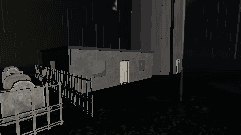
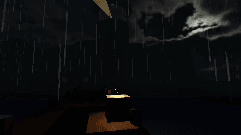
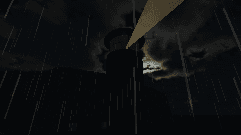
The Lighthouse Keeper at Cape Mourn exemplifies the power of a minimal HUD in horror games. By removing overt interface elements, players enter the lighthouse's eerie corridors with nothing but their wits and senses. The absence of a guiding HUD forces them to explore and adapt, heightening the sense of isolation and dread.
In The Lighthouse Keeper's narrative, the lack of a HUD serves the story by immersing players in the protagonist's struggle for clarity and survival in a world filled with supernatural and psychological threats. This design choice not only aligns with the game's thematic elements but also enhances its horror by making every shadow and whisper a potential threat.