How Diegetic Inventory Deepens Immersion in Horror Games
Diegetic inventory in horror games blurs the line between interface and experience, enhancing immersion and amplifying fear through seamless narrative integration.
Introduction
In the chilling world of survival horror games, immersion is everything. It's the difference between a heart-pounding experience and a mere stroll through a virtual world. One design element that significantly contributes to immersion is the diegetic inventory system. By integrating inventory management directly into the game’s narrative and environment, these systems create a seamless experience that draws players deeper into the horror.
What is Diegetic Inventory?
Diegetic inventory refers to an in-game system where inventory management is part of the story world, rather than an abstract menu. This approach blurs the line between the player and the character, making inventory interactions feel as natural as the protagonist’s heartbeat. For example, instead of hitting a button to access an inventory screen, a character might physically look inside a rucksack or open a drawer, all within the game’s world.
Immersive Realism
Diegetic inventory systems enhance realism by keeping players engaged with their surroundings and the story. They reduce the friction between the gameplay interface and the narrative flow. In essence, players are no longer just controlling a character; they are inhabiting their world, making decisions that feel consequential and real. This depth of immersion can make fear more palpable and the stakes feel higher as players must manage resources without breaking the narrative spell.
"A diegetic inventory system doesn't just tell you what you have; it makes you feel the weight of what you carry."
Examples in Horror Games
Several horror games have successfully implemented diegetic inventory systems to great effect. In 'Amnesia: The Dark Descent', players must navigate their surroundings with limited resources, often consulting maps or notes found in the game world rather than relying on non-diegetic overlays. Another prime example is 'Resident Evil 7', where players manage their inventory through their character’s limited pockets, heightening the tension and requiring strategic decision-making. Such examples illustrate how this approach amplifies the horror experience by demanding constant engagement and strategic planning.
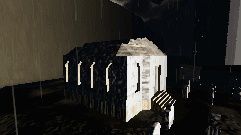
In 'The Lighthouse Keeper', we take inspiration from these systems to enhance the player's sense of isolation and vulnerability. The lighthouse setting becomes a character in itself, with its own secrets and challenges (read more about our design philosophy on the About page). This integration of inventory into the environment ensures that players are never truly at ease, always on the lookout for resources while navigating the foggy, foreboding landscapes.
The Lighthouse Keeper
'The Lighthouse Keeper' employs a diegetic inventory system that makes each item a tangible part of the player's experience. As players explore Cape Mourn, they must carefully manage their finds, balancing the necessity of tools against the limited space available. This approach ensures that each decision impacts the unfolding story, heightening the tension and crafting a uniquely immersive horror experience.
Our game showcases the potential of diegetic systems to drive immersive storytelling forward. By grounding every interaction within the world of Cape Mourn, we aim to create a horror experience that is as emotionally gripping as it is terrifying. To learn more about the story and its intricacies, visit our story page and discover how your inventory choices shape your survival.