Isolation as a Horror Theme
Isolation is a potent element in horror storytelling, evoking feelings of vulnerability and heightening tension. Its impact on atmosphere and plot is profound.
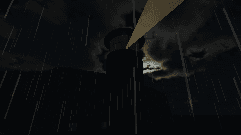
Isolation is a timeless theme in horror, one that preys on the innate human fear of being alone. It strips away the comforting layers of social interaction and familiar environments, leaving us with nothing but our own thoughts and fears. Within the context of horror, isolation is not just a backdrop; it becomes a catalyst that intensifies the character's psychological unraveling and heightens the narrative tension.
Psychological Impact
The psychological impact of isolation is profound. When alone, characters in horror stories are forced to confront their deepest fears and insecurities. In the absence of external validation, the mind can become a prison, echoing doubts and conjuring imaginary threats. This mental erosion is fertile ground for horror. It enables creators to explore themes of madness, existential dread, and the fragility of the human psyche. Such exploration is vividly depicted in the relentless solitude of our own The Lighthouse Keeper.
Isolation Settings
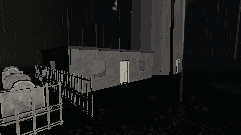
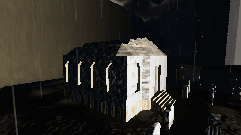
Settings of isolation often take on a life of their own in horror narratives. Think of the barren landscapes in films like "The Shining" or the deserted spaceship in "Alien". These settings act as more than mere backdrops; they become characters in their own right. The Cape Mourn lighthouse, for instance, stands as a solitary sentinel against the encroaching sea, its isolation magnifying the eerie silence and unpredictable elements. Such environments serve to amplify the feeling of entrapment, where escape seems perpetually out of reach.
Character Vulnerability
Isolation strips characters down to their core, revealing vulnerabilities that would otherwise remain hidden. Without the support of a group, individuals must rely solely on their own wits and resilience. This raw exposure can lead to a compelling examination of a character's strength and willpower. As the protective layers peel away, their fears, desires, and weaknesses become dangerously tangible, providing fertile ground for horror's unpredictable twists and turns. Much like how the lighthouse keeper stands alone, facing both the literal storm and the metaphorical tempest within.
"In isolation, the lighthouse keeper must confront the darkness both outside and within."
Isolation in The Lighthouse Keeper
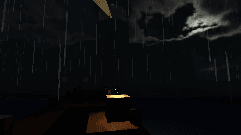
In "The Lighthouse Keeper", the theme of isolation is intricately woven into the narrative. The Cape Mourn lighthouse is not just a setting, but a symbol of solitude. As players navigate this eerie, solitary environment, they experience firsthand the oppressive silence and daunting solitude, creating an immersive horror experience. The game effectively uses isolation to elevate psychological tension, drawing the player deeper into the story's unsettling embrace. To understand how isolation shapes our game, explore the gallery for a glimpse into its atmospheric design. For more insights into our intentions, visit the about page.