The Horror Appeal of Liminal Spaces
Liminal spaces evoke a profound sense of unease. Discover how these transitional settings become fertile ground for horror experiences.
What Are Liminal Spaces?
Liminal spaces exist on the threshold of change, representing a transition from one state to another. These spaces often evoke a sense of being 'in-between', making them inherently unsettling. Consider the eerie silence of an empty school corridor at night or the echoing expanse of a deserted airport terminal. These places aren't meant to be inhabited; they serve as a passage, not a destination.
In architecture and design, liminal spaces are those areas that facilitate movement but are not destinations themselves. Hallways, staircases, doorways, these are all examples. They lie between defined spaces, blurring the boundaries between what we know and what we do not.
The Psychological Impact
Why do these spaces create such discomfort? The answer lies in their ambiguity. Liminal spaces stand outside our normal experiences, where the usual rules seem to fray. In this ambiguity, our minds wander, projecting fears and anxieties into the empty spaces. The lack of clear purpose or identity triggers a primal unease, a visceral reaction that something is not quite right.
"In liminal spaces, the mind fills the void with shadows of its own making."
This psychological effect is well-documented in the realm of psychology and sociology. Humans crave order and definition; when these are absent, it opens a chasm of uncertainty where fear can flourish.
Liminal Spaces in Horror Games
Horror games excel at exploiting liminal spaces to amplify tension and dread. By placing players in environments that feel both familiar and alien, game designers tap into the unease that liminality produces. The sense of not belonging, of being caught between worlds, amplifies the player's vulnerability.
In games, liminal spaces often become the stage for encounters with the unknown. They serve as conduits for supernatural events, where the boundaries of reality blur. The player is left to navigate a world where the rules of normalcy are suspended. For example, the haunting corridors of Silent Hill or the stark, empty halls in Amnesia: The Dark Descent showcase this technique brilliantly.
Case Study: Cape Mourn
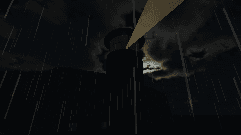
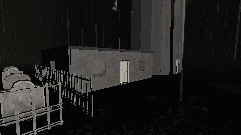
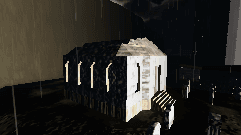
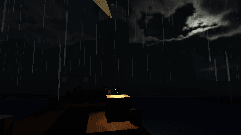
The Cape Mourn lighthouse, the setting for The Lighthouse Keeper, epitomizes the use of liminal spaces in horror. Perched at the edge of the sea, it is a place of constant transition, between land and water, safety and peril. The lighthouse itself, with its spiralling staircases and echoing chambers, is designed to unsettle.
In the game, these spaces are not merely backdrop; they are active participants in the storytelling. The constant sound of the sea, the distant foghorn, and the relentless wind contribute to a sense of being on the verge of something unknown. Each corridor and chamber echoes with the past, suggesting stories untold and nightmares yet to unfold.
Liminal Spaces and The Lighthouse Keeper
Understanding the allure and fear of liminal spaces enhances the horror experience. In The Lighthouse Keeper, these spaces are woven into the very fabric of the game, drawing players into a world where reality and nightmare intersect. By leveraging the unsettling nature of these transitional spaces, the game invites players to confront their deepest fears.
For those wanting to explore more about the creation of such unsettling atmospheres, feel free to contact us. Your journey into fear begins with a step into the unknown.