Analog Horror: Explained and Explored
Analog horror combines nostalgic formats with unsettling narratives. Discover why its eerie charm captivates audiences.
Roots of Analog Horror
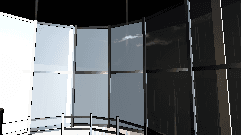
Analog horror is a genre that draws heavily from past technologies, employing them to induce a unique blend of nostalgia and fear. The roots of analog horror lie in the thriving culture of the 1970s and 1980s, when VHS tapes and broadcast television were at their peak. These mediums, once cutting-edge, now evoke a sense of the eerie and the uncanny due to their outdated nature. This style leverages the limitations and characteristics of these technologies to create an atmosphere that is both familiar and unsettling. The crackle of static, the flicker of a screen, and the inconsistencies in audio all contribute to a feeling of unease.
How Analog Horror Works
At the heart of analog horror is its ability to blend realism with fiction seamlessly. The genre often incorporates faux public service announcements, news segments, or found footage to build its narrative. These elements are presented so convincingly that they blur the line between reality and fiction. By mimicking familiar media, analog horror taps into the viewer's subconscious, making them question the authenticity of the experience. The result is a deeply immersive horror that doesn't rely on elaborate special effects but rather on the psychological impact of perceived realism.
The Role of Nostalgia
Nostalgia plays a pivotal role in the effectiveness of analog horror. The genre capitalizes on the yearning for a bygone era, using it as a vehicle to transport audiences back in time. This temporal displacement is laden with emotional weight, as viewers are reminded of a time when technology was less understood and more mysterious. The emotional connection to these formative years amplifies the horror, as the familiar becomes distorted and dangerous. This juxtaposition of comfort and dread is what makes analog horror so compelling: the past is haunting in more ways than one.
Storytelling Techniques
Analog horror relies on subtlety and suggestion, often leaving much to the imagination. The use of distorted images, cryptic messages, and incomplete narratives invites viewers to fill in the gaps with their own fears. This approach not only enhances the engagement but also personalizes the horror experience. The audience becomes an active participant, piecing together fragments of the story and interpreting them through their own lens. The simplicity of the medium forces creators to innovate within constraints, resulting in storytelling that is both minimalist and profoundly impactful.
"Analog horror's power lies in what it doesn't show, allowing the imagination to run wild."
Analog Horror in Games
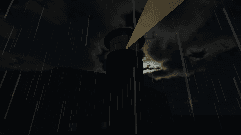
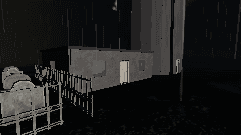
The principles of analog horror translate effectively into the realm of video games, where interactivity adds another layer of immersion. Games like The Lighthouse Keeper employ analog horror elements to enhance the atmospheric tension. The use of outdated technology and realistic sound design creates a believable world that players can lose themselves in. In these games, the player's actions and decisions influence the narrative progression, making the horror experience deeply personal and affecting. With the ability to control pacing and perspective, analog horror games offer a unique and chilling journey into the unknown.
To learn more about the story behind The Lighthouse Keeper or to reach out with questions, visit our contact page.